

Good support and comfort are essential when it comes to choosing Shoes With Good Heel Support. However, these two characteristics are only sometimes easy to find in one shoe. For example, a shoe that's too rigid can cause pain in your ankles as you walk or run. On the other hand, if a running shoe has insufficient support for your ankles and feet, you could end up with blisters on both heels and toes. As such, you must find shoes with excellent heel support and cushioning to stay healthy while working out!
Shoes With Good Heel Support have A mid-solid sole.
The midsole is the shoe part that provides cushioning and support, so you want it to be firm but not too hard. It should also be flexible enough to bend with your foot as it moves while still providing a good grip on the sole.
The upper shoe part wraps around your foot and holds it in place. It should be comfortable, breathable and flexible enough to accommodate any activity (such as running or walking).
Slippers With Heel Support and Extra cushioning in the heel
Slippers have many of the same features as athletic shoes but are more comfortable. Slippers With Heel Support come in all shapes and sizes, from flat-soled moccasins to slip-on boots with heels. These shoes are for wearing around the house or outside on warm days. They offer good traction on smooth surfaces but may only last for a short time as other footwear due to their flexibility and lack of support for your foot.
Slippers prepare with soft materials such as suede, leather or fur. They have a more casual look than athletic shoes and may have decorative stitching or embroidery on the heel or toe cap.
Shoes with good heel support also have a flexible counter to bend as you walk.
Shoes with good heel support also have a flexible counter to bend easily as you walk. The heel counter is the shoe part that wraps around the heel, providing support for your arch and helping prevent you from rolling your ankles. A good heel counter should be flexible enough to bend easily as you walk, which can help prevent injury from occurring in your ankle or lower leg when walking down stairs or on uneven surfaces.
The best shoes for heel support should also have a robust and rigid sole that is well-cushioned. The upper should be breathable and flexible enough to allow your foot to move naturally when walking or running.
What are the best shoes for heel support?
The best shoes for heel support will be comfortable and provide a solid base to help prevent injury. Also, they should not allow their foot to move excessively forward when walking or running. They should have a sturdy counter for heel support and lateral stability, and wide toe boxes.
Sneakers With Heel Support have A wide-toe box
A wide-toe box is the first thing to look for in a shoe with good support. A wide toe box allows your toes to move freely, which is essential when walking or running. If the shoe is too tight around the toe area, it can cause blisters and other problems.
A wider toe box also means that you won't have as much arch pain; this happens because there's room for your feet to expand and fill up the entire space available in your shoes. If a shoe has a narrow toe box and you have wider feet, then this might be something worth looking into before buying them online!
Another feature we like about sneakers with heel support? Sneakers With Heel Support usually made from breathable materials such as mesh fabric or leather so air can flow through these areas easily when walking outdoors during warm weather (or even indoors if needed).
Rigid arch support.
Rigid arch support is the best arch support to have in your shoes. It will provide the most comfort and support, which prevents foot pain and inflammation. The rigid arch support should be firm but not too tight; it should also be adjustable to adjust for different foot sizes.
Running Shoes With Heel Support has Good traction for gripping surfaces.
Running Shoes With Heel Support has Good traction for gripping surfaces. The shoes have a rubber sole that provides good traction on various surfaces and in different weather conditions. It can be helpful when running on asphalt, concrete or trails. It's also beneficial to have this kind of shoe if you're running down hills or through mud puddles because it will help prevent you from slipping or sliding.
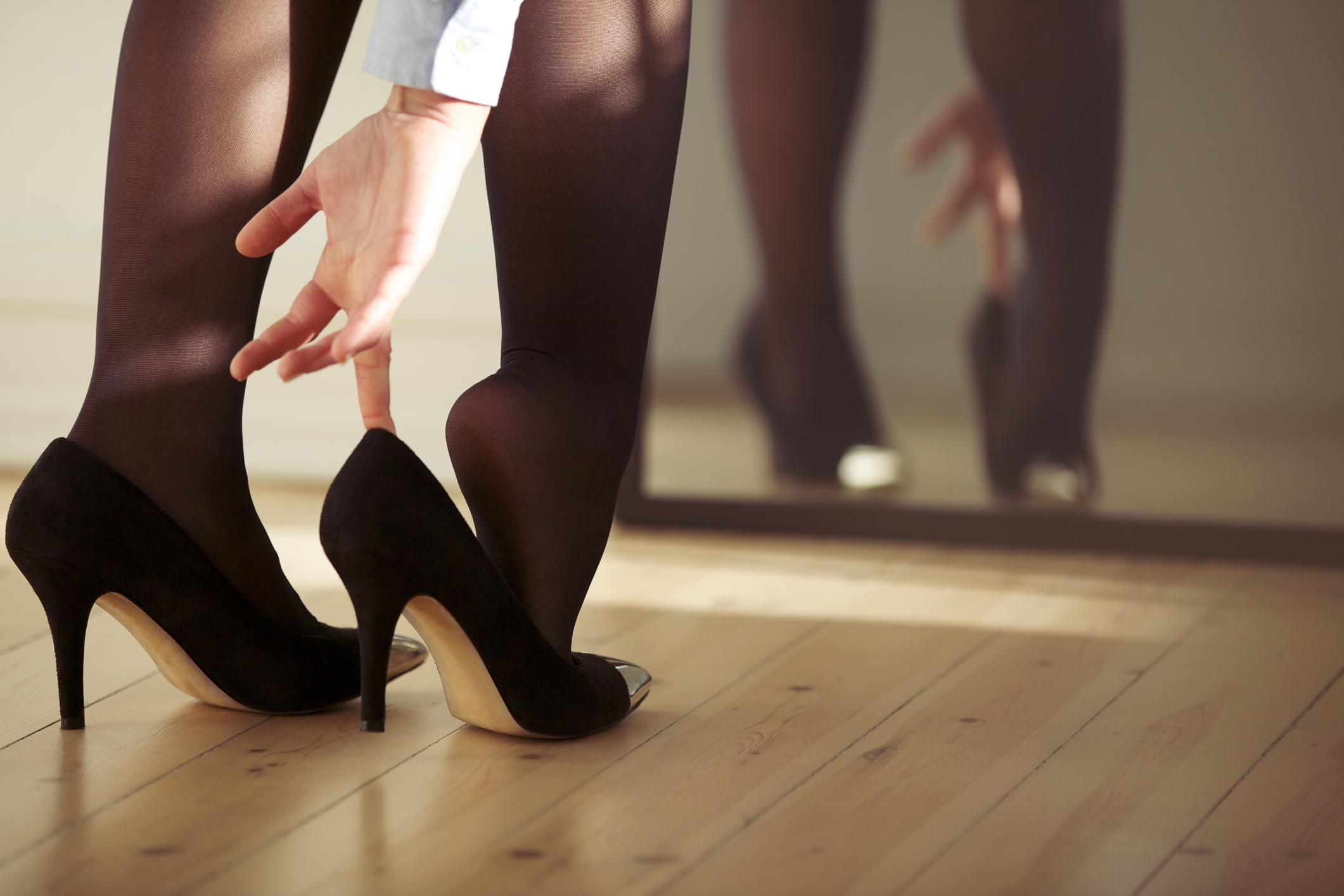
The rigid arch support should also be made from a flexible material to bend slightly to accommodate different foot sizes. The most common materials for rigid arch support are plastic and foam shoes with thick soles that provide good support for your feet. It is instrumental if you're a runner with pain in the ankles, knees or lower back.
Shoes with good heel support can make a difference in comfort and health.
Shoes with good heel support make a difference in comfort and health. Heel pain is widespread and can be caused by several problems, including worn heels, plantar fasciitis (inflammation of the bottom of the foot), Achilles tendonitis (inflammation of the tendons that connect your calf muscles to your heel bone) or even a bunion deformity.
Heels that don't provide adequate support for you will cause your body to shift its weight towards the front of your foot, putting pressure on other structures such as toes and ankles. It can lead to discomfort during walking or standing for long periods due to misalignment of joints within feet and legs.
Make sure there is plenty of room between the top of your toes and the end of the shoe.
When buying a pair of heels, ensure plenty of room between the top of your toes and the end of the shoe. While it's essential to have ample space in the toe box so that your foot can move freely and not feel cramped, you also want to ensure that there isn't too much extra space at the ankle or heel area.
When trying on heels, ensure they fit tightly around your ankle but not too tight around your toes. It will provide enough support for both areas of your feet. You don't want them to lose at any point because this could lead to blisters or other long-term problems with walking in them (like getting stuck in the mud).
Look for shoes with a sturdy counter for heel support.
The heel counter is a piece of material that forms the back of the heel. It is made of leather or plastic and should be stiff, not bendable. This piece's function is to support your ankle joint and keep your feet from rolling inward as you walk. It mayn't provide adequate support for all-day wear if it bends easily when you flex it.
The best running shoes for flat feet have a wide toe box and a low heel drop. A wide toe box is essential because it allows your toes to move freely, which can help prevent injuries such as black toenails or blisters.
It's important to try on both shoes to make sure that the inside of the shoe is comfortable under your heel.
It's important to try on both shoes and make sure that the inside of the shoe is comfortable under your heel. The heel should be comfortable and not move excessively forward.
The heel counter often stitches to the bottom of the insole, making it difficult to replace. If it's not stitched on, try to bend the counter slightly with your fingers; if it doesn't budge, then that's an excellent thing heel should also not be too high, as this will cause back pain and fatigue. The shoe should fit snugly around your ankle bone without being too tight or loose.
Shoes with good heel support should not allow your foot to move excessively forward when walking or running.
In addition to providing a secure and comfortable fit, shoes with good heel support should also be able to keep your heel in place. The amount of movement allowed through the shoe's rear depends on how much heel cushioning has included. If you have high arches or need extra stability for pronation, then you will benefit from a lot of cushioning in the rear part of your shoe that helps absorb shock and stabilize your foot during movement.
If there isn't enough cushioning in this area, it could lead to an unstable feeling when walking or running because there will be more room for your heel to move around inside your shoe than if there were more padding back there.
Running Shoes With Heel Support with good heel support will help prevent injuries.
You need to wear shoes with good heel support if you are a runner. If you don't have good heel support, it is possible that you could get injured.
The best way to prevent running injuries is to wear shoes with adequate heel support. A good Running Shoes With Heel Support will help keep your feet in place as they land on the ground while running, reducing stress on other body parts.
If the sole of your shoe has worn out or was never made correctly in the first place, this can cause an imbalance in how much force is being placed on different joints during each step and may lead to injury over time.
It can be hard to find Extra Wide Fit Shoes that fit correctly, especially when you have a foot problem, like a bunion or hammer toe. Extra wide-fit shoes are designed specifically for this purpose by giving your toes room to move freely and comfortably. Here's how to tell if different wide-fit shoes will work for you!
Extra wide shoes with a roomy toe box can help relieve bunions, hammertoes, and more symptoms.
When treating bunions and hammertoes, wearing wide-fit shoes is the best way to alleviate pain. This means that your shoe will allow for more space at the toes so that you don't have to squeeze into narrow shoes.

The term "wide-fit" refers to footwear with a roomy toe box that can accommodate a broader range of foot sizes. A roomy toe box means plenty of extra space in the front of your shoe, allowing you to move freely without feeling constricted or cramped.
Wide-fit shoes are particularly beneficial for people who suffer from bunions or hammertoes because they offer more comfort and allow them to walk more comfortably with less pain than regular shoes—and sometimes even wholly alleviate symptoms altogether!
What are bunions?
If you are reading this, there is a good chance someone you know has a bunion. A bunion (a painful deformity of the big toe joint) is still one of the most common foot problems and affects more than five million Americans yearly. This condition can cause excruciating pain, especially when wearing shoes and walking.
Bunions are caused by improper foot alignment, which leads to various structural changes in the feet over time. These structural changes can be prevented by keeping our feet healthy and strong throughout our lives. However, bunions develop more frequently in women than in men because they wear shoes that are too tight on their toes!
How do bunions form?
A bunion is an abnormal growth on the side of the big toe. It forms when the big toe is forced into an unnatural position, which can cause it to grow in a distorted way. Bunions may be hereditary and are more common in women than men.
Bunions form when you have a tight shoe that does not allow your toes to move freely or does not have enough room for them. You may develop bunions if you wear narrow-toed shoes or high heels that don't give your foot enough space to move around comfortably. It's also possible for a bunion to develop simply because you have inherited it genetically from your parents, who may also suffer from this condition (and should see their doctor if they do).
What are hammertoes?
Hammertoes are a disorder in which the toe bends down at the middle joint. The toes can also curl up at the end. These problems occur when shoes are too narrow or pointy, causing your toes to be forced into an unnatural position. As they attempt to conform to this shape, they grow around it and become deformed over time.
How do hammertoes form?
How do hammertoes form?
Hammertoes are caused by a muscle imbalance that forces the toes into a clawed position. This can be caused by shoes that bend the toes and create joint pressure, or it can be caused by wearing narrow shoes for long periods. The condition can also develop as an inherited trait, meaning it runs in families. If you're experiencing hammertoe symptoms but don't want to buy wide-fit shoes, consider asking your doctor if they think your condition is hereditary and how to prevent it from worsening.
Treatments and Prevention of Bunions and Hammertoes
If you're suffering from bunions or hammertoes but are not ready for major surgery, options can still help ease your discomfort. While there is no known cure for bunions and hammertoes, these treatments have been shown to relieve the symptoms of both conditions:
- Medication – Over-the-counter orthotic devices can be worn inside your shoes to support the bunion area. These devices are made from a flexible material that moulds itself to your foot shape without creating pressure on any part of your foot when wearing them. They also reduce friction between your skin and your shoe while walking or standing still.
- Surgery – If over-the-counter therapies do not improve the pain associated with bunion development or if they don't stop its progression altogether, surgical procedures may be an option for treating them in some cases.
Finding the proper footwear is crucial to preventing or treating bunions and hammertoes.
- Finding the proper footwear is crucial to preventing or treating bunions and hammertoes.
- Shoes should fit well and not be too tight or too loose.
- Shoes should be wide enough to accommodate bunions and hammertoes.
- Shoes should be comfortable, but not too comfortable.
- Shoes should provide cushioning so that your feet don't get fatigued while you wear them all day long (or even longer).
Bunions are more common in women than men and tend to run in families.
Bunions are more common in women than men and tend to run in families. The medical term for bunions is hallux valgus, which means that the big toe moves toward the other toes as it grows. This can cause pain, discomfort and swelling of the big toe joint. Bunions may also develop when you wear narrow shoes that squeeze your toes together too tightly.
Some researchers believe that wearing narrow shoes with pointed toes places repeated stress on the bones around your big toe joint, causing it to grow abnormally. Others attribute bunion development to a hereditary defect or connective tissue disorder affecting how bones grow together during foot development before birth and during childhood growth spurts (again – if someone else has had this problem). Either way, extra-wide arch support benefits people with bunions because their feet need all the help they can get!
Narrow shoes increase pressure on bunions, but wider shoes and boots reduce that pressure and make walking easier.
If you have a bunion, you must wear shoes wide enough to relieve the pressure on your toes. Narrow shoes increase this pressure and make walking more difficult. Wearing an adequately sized wide shoe or boot can help prevent bunions from worsening and make walking easier for people who already have them.
Hammertoes can be caused by a muscle imbalance that forces the toes into a clawed position.
Hammertoes can be caused by a muscle imbalance that forces the toes into a clawed position. This can lead to joint pressure and pain, so pay attention to your foot health if you have hammertoes.
Y is a vital ankle bone (talus) that rests atop your heel bone (calcaneus), with your toes resting on top of them. If you have hammertoes, one or more of these joints are misaligned and pressing down against each other too much as you walk or stand. This extra pressure can cause pain in and around those areas—often including the ball of your foot—and may even result in swelling!
Hammertoes are often caused by shoes that bend the toes and create joint pressure.
The hammertoe is a bent toe that causes pain. Hammertoes are often caused by shoes that bend the toes and create joint pressure, which can cause discomfort and pain in the affected area. This can be treated with surgery or physical therapy, but it's possible to prevent hammertoes by wearing shoes that fit correctly and not squeezing your feet too tightly.
Well-fitting extra wide-fit shoes help relieve bunion pain and avoid hammertoe pain.
It is essential to wear well-fitting shoes to help prevent and relieve bunion pain. Bunions are more common in women than men but can occur in anyone who wears ill-fitting shoes. The most common symptom of bunions is pain on the top of the foot next to your big toe (the first metatarsal). This pain may worsen when you run or walk long distances on hard surfaces. If this happens, you must see a doctor as soon as possible to treat the problem before it worsens.
Bunions can also cause other problems, such as:
- Pain in your toes or ankle when walking or running
- Painful calluses on your big toe or other parts of your feet
Conclusion
If you have bunions and hammertoes, finding the proper footwear is essential. Wider shoes are better than narrow ones because they reduce pressure on bunion and hammertoe joints. If you don't want to go through the trouble of finding wide-fit shoes, try wearing a shoe insert like BunionEze. Using this product can help relieve pain from bunions by providing cushioning between your toes and the arch of your foot.
| Other Good Articles to Read |
| Gabrielle Blogs |
| Jason Toff Blogs |
| Thumb Blogs |
| Blog Shifter |
| Social Bookmarking Blogs |
| Free Blogs Template |
| Blog Solidaire |
| Michael Coyne Blog |
| Born Free Blog |
| Oz Blog Hosting |
| Indepth News |

.jpg)



.jpg)


0 Comments